
The Circle of Life: Birth, Death and the Rites of Passage Between

Birth and death are the two greatest portals we will navigate.
One is the doorway in. The other is the doorway out. Every soul passes through both.
Every human life begins and ends at a threshold. Between them sit many smaller crossings: coming of age, partnership, marriage, parenthood, separation, illness, grief and ageing.
My work sits at these thresholds. Here is how I understand them, and how I hold them.
What a Rite of Passage Is
In 1909 the anthropologist Arnold van Gennep described a pattern he found in cultures across the world. A rite of passage moves through three phases:
- Separation: leaving an old identity or role.
- Transition: a threshold period between the old and the new.
- Incorporation: returning to community in a new form.
Anthropologist Victor Turner later called the middle phase liminality, a state of being “betwixt and between.” Liminal periods are disorienting. They are also where change happens.
Birth, death, marriage and grief all follow this pattern. People often arrive at a reading in the middle phase. The old life has ended, and the new one has yet to take shape.
The Passage In
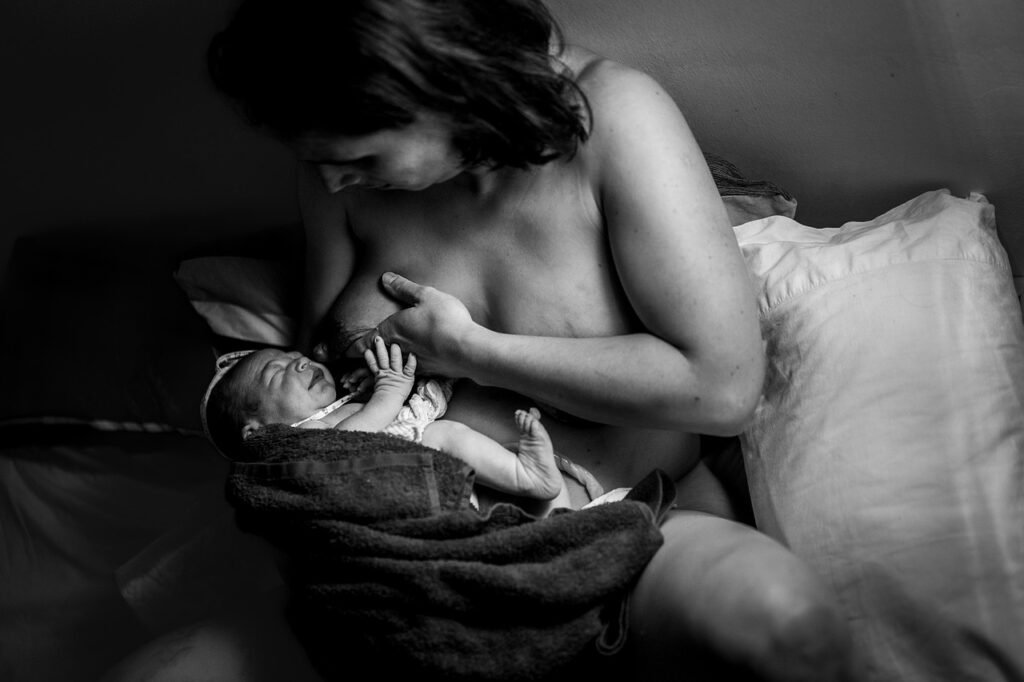
I have worked as a birth doula since 2010.
The research on continuous support in labour is strong. A Cochrane review by Bohren and colleagues (2017), drawing on data from more than 15,000 women, found that continuous support was linked to more spontaneous births, shorter labours, fewer caesareans and more positive birth experiences.
What I bring to the birth room is steady, consistent presence. I support the parents choices, follow their pace, and protect their sense of safety. Those same principles shape every offering I share.
The Passage Out
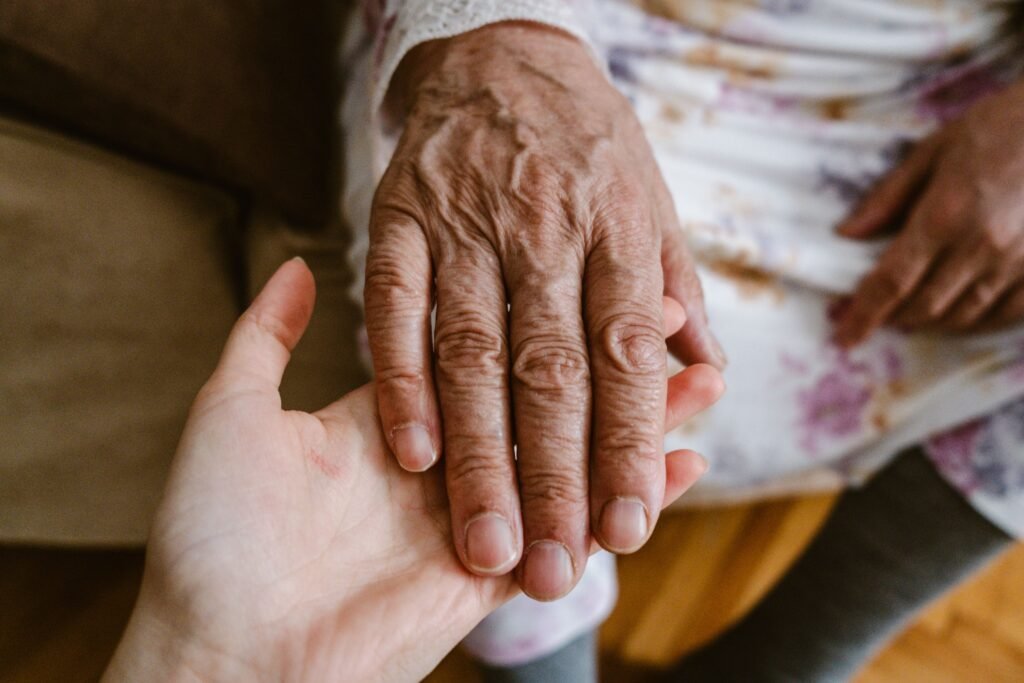
I have worked as an End Of Life Doula, or Death Doula and Deathwalker since 2015, and for many years as a Funeral Celebrant.
Death Doulas are a growing part of end of life care. A systematic review by Rawlings and colleagues (2019) described their role as offering practical, emotional and spiritual support, continuity of presence, and advocacy for the dying person’s wishes, alongside medical and palliative care.
Ceremony is at the heart of of all I do. Ritual gives grief a structure, gathers community, and marks the change in a relationship rather than its erasure.
Grief and Continuing Bonds
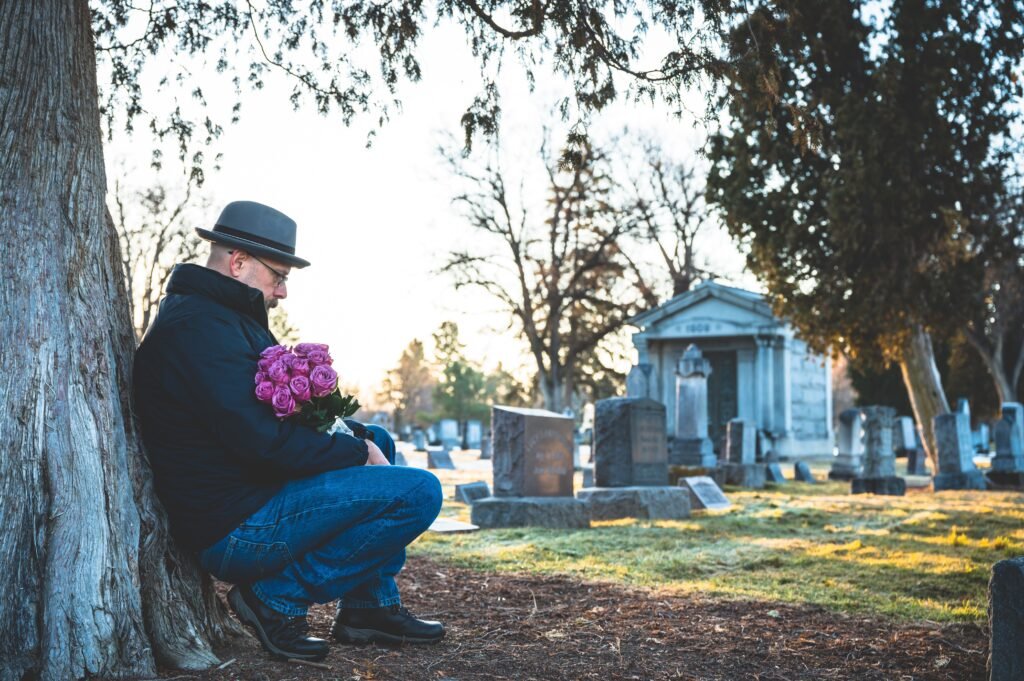
Older models of grief assumed that healthy mourning meant “letting go.” Research since the 1990s points somewhere else.
Continuing bonds theory (Klass, Silverman and Nickman, 1996) found that many bereaved people maintain an ongoing inner relationship with the person who died, and that this connection can support healthy adaptation.
The Dual Process Model (Stroebe and Schut, 1999) describes healthy grieving as a movement between facing the loss and engaging with ongoing life. People move back and forth, and that movement is normal.
Mediumship can sit within this framework. Research on it is limited, but a study by Beischel, Mosher and Boccuzzi (2015) found that bereaved participants reported reduced grief after a reading with a medium, and the authors interpreted the results through a continuing bonds lens. My mediumship training at Arthur Findlay College focused on evidence: specific, verifiable details that let a sitter recognise their person, rather than general statements.
The Power of Ritual
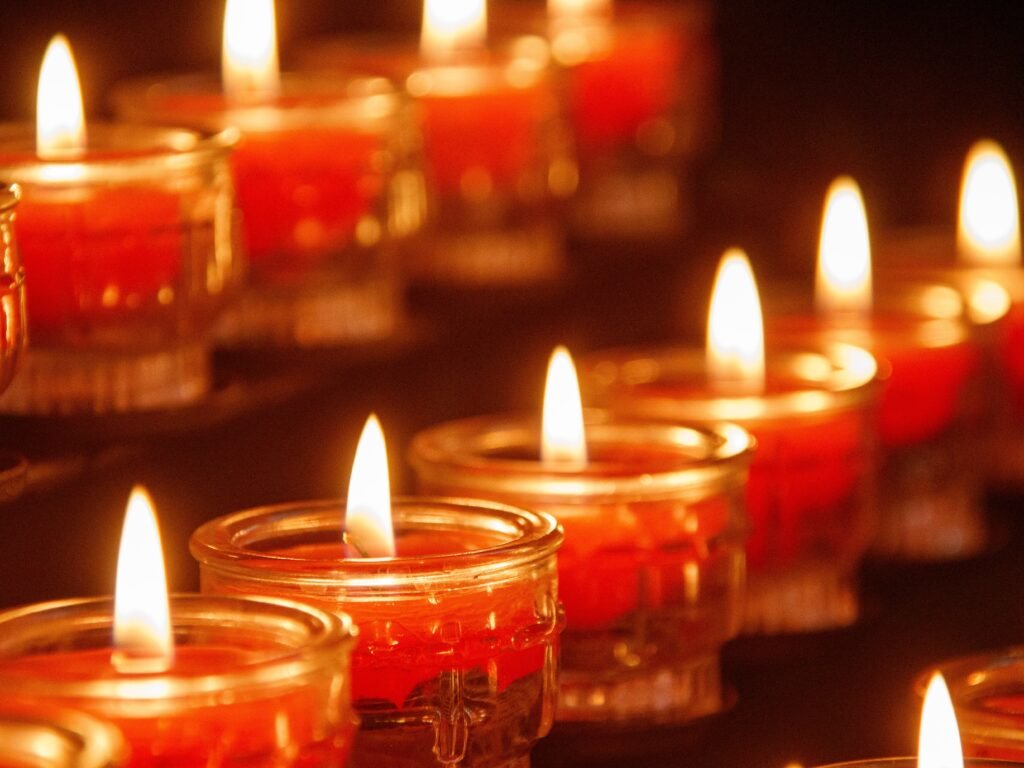
Ritual sits at the centre of my work. It is how human beings have always marked a threshold: a birth, a union, a death, a loss, a new chapter.
What the research shows
- Ritual eases grief. In a series of studies, Norton and Gino (2014) found that people who performed rituals after a loss reported less grief than those who did not. This held even when the ritual was simple and personal.
- Ritual reduces anxiety. Brooks and colleagues (2016) found that performing a short ritual before a stressful task lowered anxiety and improved performance.
- Ritual creates structure when life feels uncertain. In an integrative review, Hobson and colleagues (2018) described how rituals help regulate emotion, give a sense of control, and strengthen social bonds.
- Ritual binds community. The sociologist Émile Durkheim (1912) described the “collective effervescence” of shared ceremony. Victor Turner (1969) called it communitas, the sense of deep belonging people feel when they cross a threshold together.
Ritual gives form to what words alone can’t hold.
Ritual for the living
- Blessingways and parent blessings before birth
- Naming ceremonies to welcome a child
- Weddings, commitment ceremonies, handfastings and vow renewals for every kind of partnership
- Rites for midlife, menopause and elderhood
- Gender affirming rituals, such as marking a new name or a transition
- Rituals of separation and release when a relationship ends
- Home and land blessings for new beginnings
Ritual for the dying and the grieving
- Vigil: keeping company with the dying, often with candlelight, music or quiet.
- Honouring the body: washing and dressing a loved one after death, when families wish to.
- Home funerals and personalised ceremonies, shaped by the family’s own values.
- Rituals after loss: anniversaries, memorial gatherings, and private acts of remembrance that support a continuing bond.
Ritual in Family Constellations
Constellations work is itself ritual. A constellation creates a held, bounded space in which a family system can be seen. It uses simple acts:
- Placing representatives to reveal the shape of a family
- Spoken acknowledgements, such as “I see you” or “You belong”
- Bowing, to honour those who came before
- Returning what belongs to others, symbolically handing back burdens that were never ours to carry
Hellinger called the underlying patterns the “orders of love”: belonging, order and balance in a family system. Ritual acts let us restore these orders in a way the body and heart can feel. Every family shape belongs in this work, including chosen family, queer families, and the ancestors of blood, adoption and kinship.
Ritual held with care
- Consent and choice: you decide what is included. Nothing is imposed.
- Pacing: we move at the speed that feels safe.
- Shaped together: rituals are built around your beliefs, culture and family, not a set script.
- Gender inclusion: I honour every person’s name, pronouns and gender. Rituals reflect who you are.
- Cultural respect: I don’t borrow sacred ceremonies from cultures that are not mine to share. I honour First Nations sovereignty and the Traditional Custodians of the land where I live and work.
The Ancestral Thread

Family Constellations, developed by Bert Hellinger, explores patterns that repeat across generations in a family system.
The evidence base is still developing. A randomised controlled trial by Hunger and colleagues (2014), published in Family Process, found that participants in constellation seminars reported improved psychological functioning and a better experience of their personal social systems at follow up.
Research on intergenerational trauma, including work by Yehuda and Lehrner (2018), suggests that the effects of trauma can carry across generations through biological, psychological and family pathways. The science is complex and still emerging. What it supports is something many families already know: we carry the stories of those who came before us.
The Body and the Nervous System
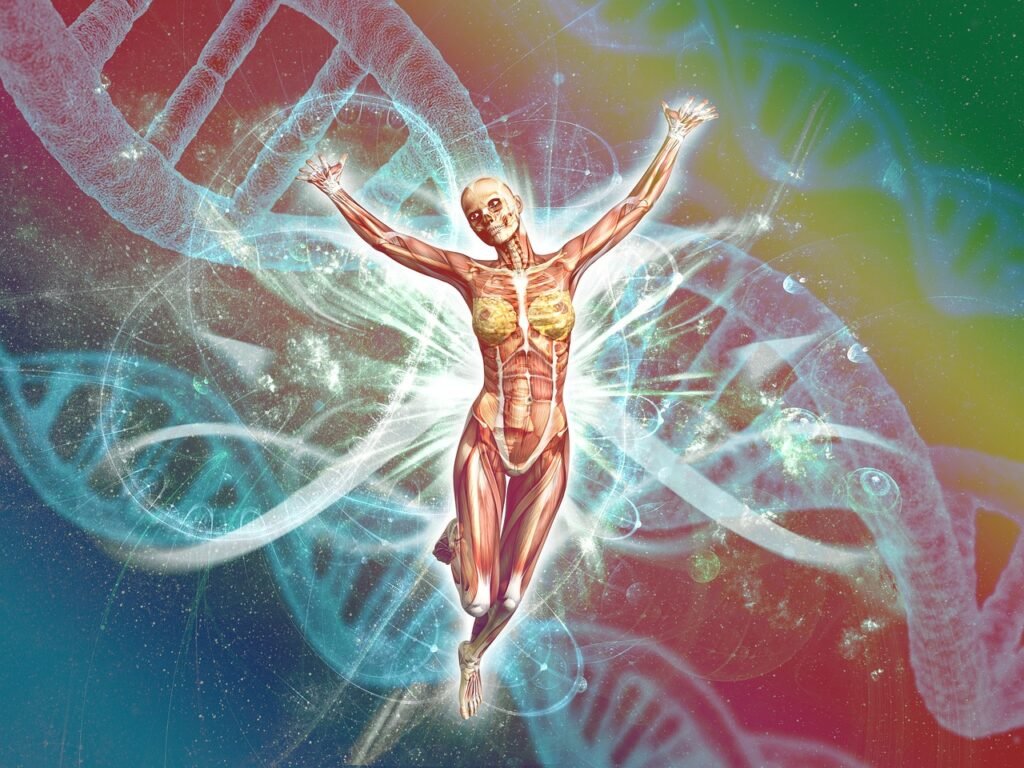
Transitions live in the body. My grounding in bodywork since 2000, and my work as a breathwork facilitator, keep my practice embodied.
Daniel Siegel’s concept of the window of tolerance (1999) describes the range in which a person can process experience without becoming overwhelmed or shutting down. Slow, regulated breathing has been shown to support autonomic regulation and emotional calm (Zaccaro and colleagues, 2018).
In a session, this means we work within your window. We slow down when needed. We stay grounded.
A Trauma Informed Approach

My practice draws on the six principles of trauma informed care described by SAMHSA (2014):
- Safety: physical and emotional safety come first.
- Trustworthiness and transparency: I explain what I do and how a session works.
- Peer support: you are met person to person.
- Collaboration: you are an active participant, never a passive recipient.
- Empowerment, voice and choice: you decide what to explore. You can pause or stop at any time.
- Cultural, historical and gender awareness: I acknowledge the histories people carry, and I work with respect for culture and identity.
In practice:
- You are never pushed into material you’re not ready for.
- Guidance is offered for you to weigh, not as instruction.
- Messages are delivered with care, especially around loss.
- I refer on to psychological, medical or crisis support when that’s what’s needed.
I am currently completing training in Strategic Psychotherapy and Clinical Hypnosis to deepen this foundation.
Holding the Threshold
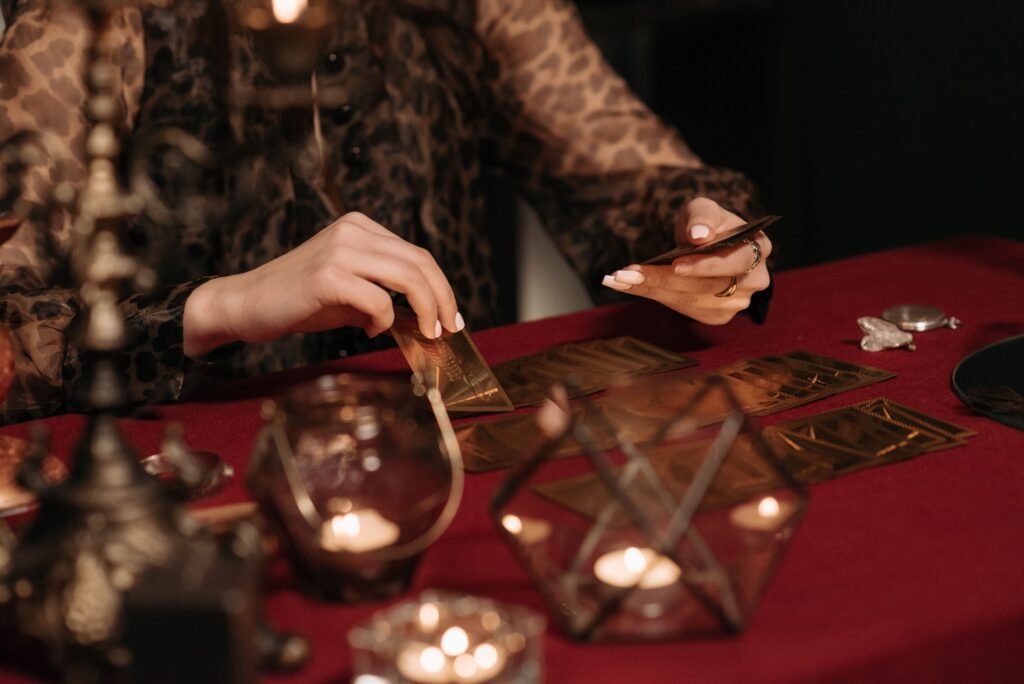
Birth, death and the passages between are among the most significant moments of a human life. They deserve skilled, grounded and respectful support.
Whatever threshold you are standing at, a reading offers a space to pause, to be heard, and to find your bearings.
Book Your Reading Now with The Psychic Medium Talitha Marie
References
- Beischel, J., Mosher, C., and Boccuzzi, M. (2015). The possible effects on bereavement of assisted after death communication during readings with psychic mediums: A continuing bonds perspective. Omega: Journal of Death and Dying, 70(2), 169 to 194.
- Bohren, M. A., Hofmeyr, G. J., Sakala, C., Fukuzawa, R. K., and Cuthbert, A. (2017). Continuous support for women during childbirth. Cochrane Database of Systematic Reviews.
- Brooks, A. W., Schroeder, J., Risen, J. L., Gino, F., Galinsky, A. D., Norton, M. I., and Schweitzer, M. E. (2016). Don’t stop believing: Rituals improve performance by decreasing anxiety. Organizational Behavior and Human Decision Processes, 137, 71 to 85.
- Durkheim, É. (1912/1995). The Elementary Forms of Religious Life. Free Press.
- Hellinger, B. (1998). Love’s Hidden Symmetry: What Makes Love Work in Relationships. Zeig, Tucker and Theisen.
- Hobson, N. M., Schroeder, J., Risen, J. L., Xygalatas, D., and Inzlicht, M. (2018). The psychology of rituals: An integrative review and process based framework. Personality and Social Psychology Review, 22(3), 260 to 284.
- Hunger, C., Bornhäuser, A., Link, L., Schweitzer, J., and Weinhold, J. (2014). Improving experience in personal social systems through family constellation seminars: Results of a randomized controlled trial. Family Process, 53(2), 288 to 306.
- Klass, D., Silverman, P. R., and Nickman, S. L. (Eds.). (1996). Continuing Bonds: New Understandings of Grief. Taylor and Francis.
- Norton, M. I., and Gino, F. (2014). Rituals alleviate grieving for loved ones, lovers, and lotteries. Journal of Experimental Psychology: General, 143(1), 266 to 281.
- Rawlings, D., and colleagues (2019). A systematic review of the role of death doulas in end of life care. Health and Social Care in the Community.
- SAMHSA (2014). Concept of Trauma and Guidance for a Trauma Informed Approach. US Department of Health and Human Services.
- Siegel, D. J. (1999). The Developing Mind. Guilford Press.
- Stroebe, M., and Schut, H. (1999). The dual process model of coping with bereavement. Death Studies, 23(3), 197 to 224.
- Turner, V. (1969). The Ritual Process. Aldine.
- van Gennep, A. (1909/1960). The Rites of Passage. University of Chicago Press.
- Yehuda, R., and Lehrner, A. (2018). Intergenerational transmission of trauma effects: Putative role of epigenetic mechanisms. World Psychiatry, 17(3), 243 to 257.
- Zaccaro, A., and colleagues (2018). A systematic review on the psychophysiological correlates of slow breathing. Frontiers in Human Neuroscience, 12, 353.